Dragons Den UK Success Stories

Thousands of entrepreneurs have walked into the Den since 2005, but only a small number leave with a completed deal that goes on to define the show's history. This roundup sticks to pitches where the public record is clear: what was asked for, who invested, and what happened to the business afterward.
The figures below are the ones that are publicly documented, through the show itself, company records, or verified reporting at the time.
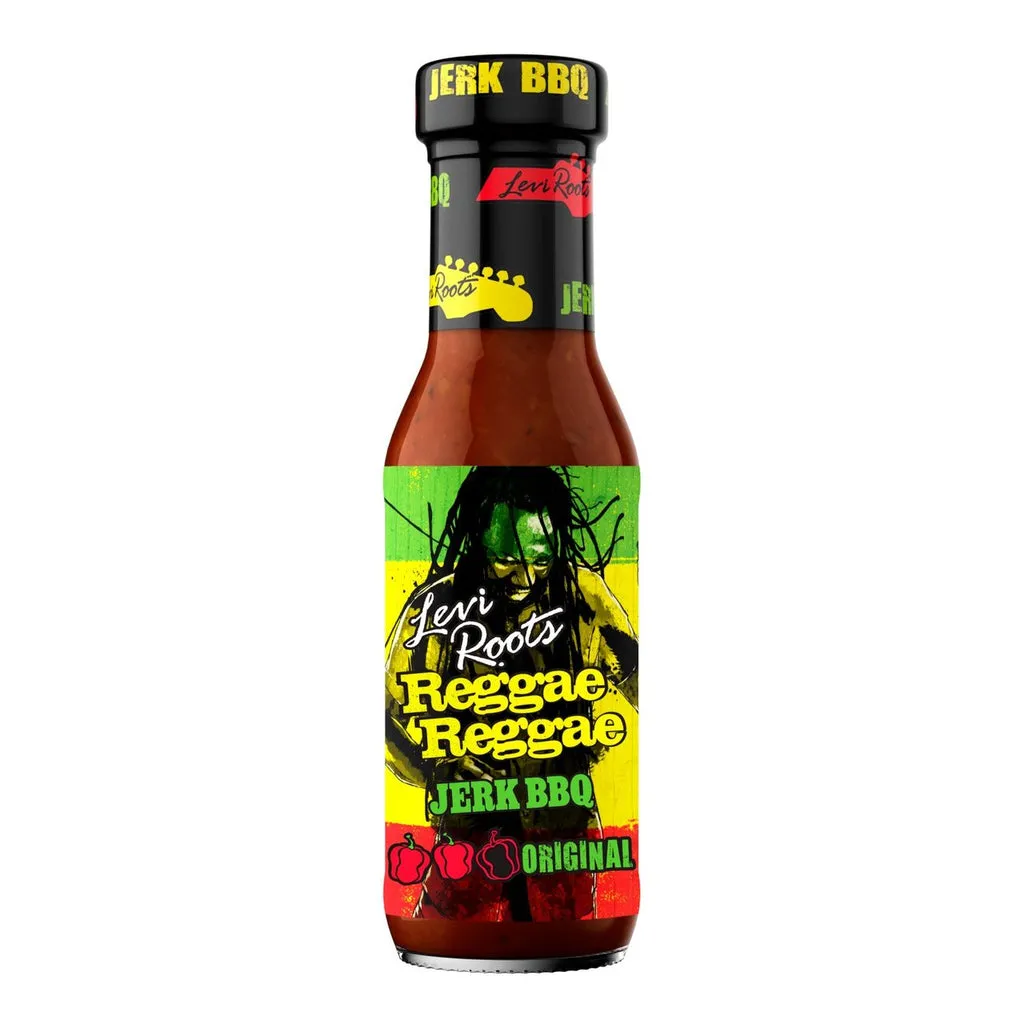
Levi Roots and Reggae Reggae Sauce
In February 2007, Levi Roots pitched his homemade jerk barbecue sauce to the panel, performing a reggae song about it as part of the pitch. He originally asked for £50,000 in exchange for 20% of the business. Three of the panel passed, but Peter Jones and Richard Farleigh together agreed to invest the full £50,000, for a joint 40% stake.
The sauce went from that pitch into supermarkets across the country, and Reggae Reggae Sauce became one of the most cited completed deals in the show's history. Peter Jones has since described it publicly as one of his most successful investments to come out of the Den.

Wonderbly, formerly Lost My Name
Founded in 2012 as Lost My Name by four fathers looking to build personalised children's books, the company pitched in the Den in 2014 asking for £100,000. Piers Linney funded the entire amount for just 4% equity, a split that has been described as one of the most founder friendly deals in the show's history.
Rebranded as Wonderbly, the company went on to sell more than ten million personalised books around the world, and in June 2025 it was acquired by Penguin Random House, giving one of the Den's better equity deals for founders a genuine publishing industry ending.

Skinny Tan
The self tan brand Skinny Tan pitched in the Den having already built real trading history, revealing more than £600,000 in sales within its first year on the market. That existing revenue was enough to secure investment jointly from Kelly Hoppen and Piers Linney.
The lesson in Skinny Tan's pitch is the same one that runs through most of this list: the deals that actually complete and then go on to succeed tend to involve founders who walked in already selling, with real figures to defend, rather than founders pitching a plan for a business that did not exist yet.
What the successes have in common
Read together, these deals share a pattern. Each founder had a trading business, not just an idea, before they reached the Den. Several of the completed deals split the investment between two Dragons rather than one, spreading the risk on both sides of the table. And more than one founder ended up conceding more equity than they first offered, in exchange for certainty over the full amount they had asked for.
It is worth remembering these are the standout cases precisely because they are unusual. Most pitches, including plenty that get a yes on the day, do not end this well, which is exactly why the ones that do are still being talked about years, and in some cases decades, later.