How Dragons Den UK Deals Actually Work

The basic exchange on Dragons' Den looks simple: an entrepreneur asks for a sum of money, offers a slice of their company in return, and a Dragon either says yes or says no. In practice, the maths behind that exchange, and what happens to the deal once the cameras stop rolling, is far less simple, and far less understood by casual viewers, than the show makes it look.
This piece unpacks the two things that actually decide whether a deal works: the valuation logic behind every ask, and the due diligence period that follows every on air yes, where a documented majority of agreed deals in the show's history have never actually gone on to complete.
The basic exchange: cash for equity
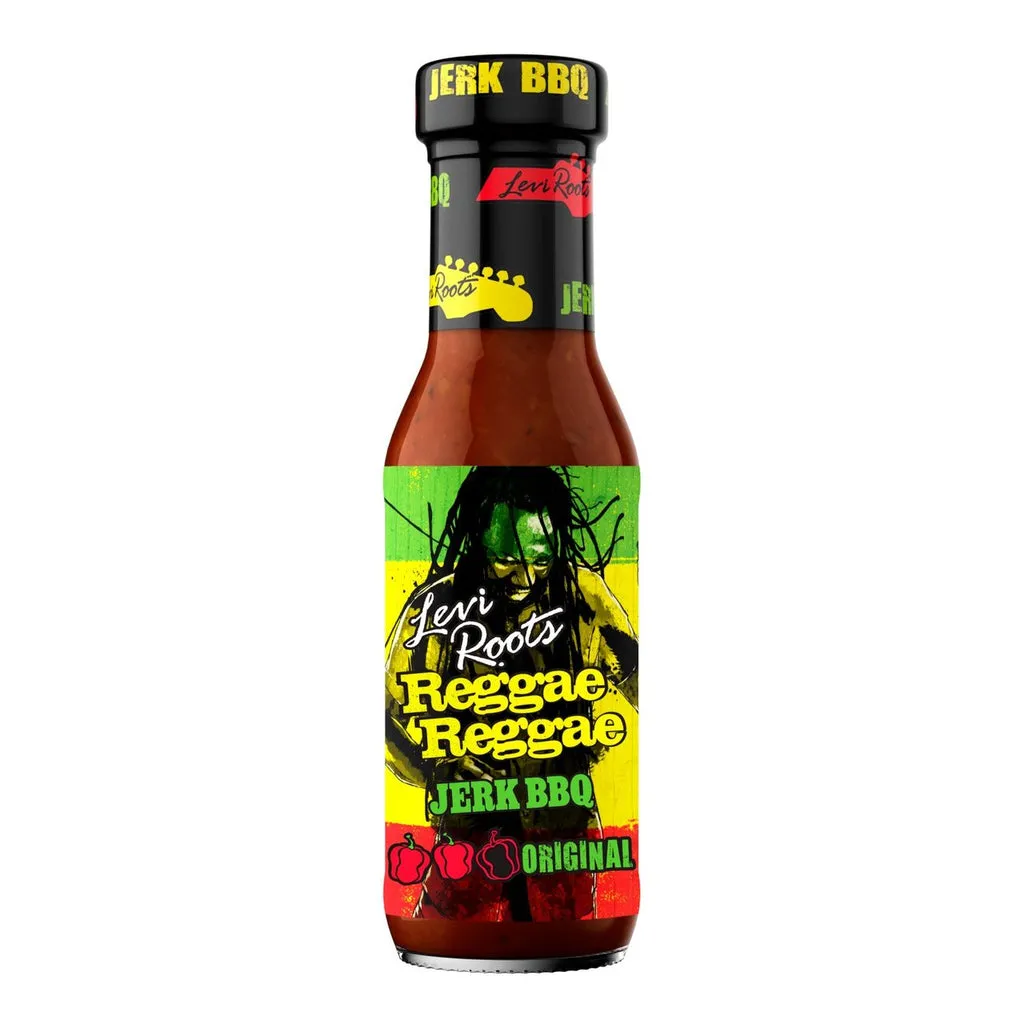
Every pitch opens with a number and a percentage, and that pairing is a negotiation starting point, not a fixed offer. Dragons regularly counter with a different split for the same cash, or offer to split the investment between two or more of them for a combined stake, which is exactly what happened with Levi Roots' Reggae Reggae Sauce pitch in 2007, where the founder's original offer of 20% for £50,000 became a 40% stake split between Peter Jones and Richard Farleigh once he agreed to give up more of the company to get the full amount.
That willingness to move on equity, rather than the size of the initial ask, is often what separates a completed deal from a polite no. A founder who treats the opening offer as untouchable tends to walk out with nothing, while one who understands cash now can matter more than a slightly bigger slice of a company that might not survive without it tends to walk out with a deal.
What the ask implies about valuation
Asking for £50,000 in exchange for a 10% stake is also a claim that the whole company is worth £500,000, because the investment divided by the percentage given away, scaled up to the full 100%, is exactly how that implied value is calculated. Dragons run this sum instantly, and a mismatch between that number and the revenue or profit a founder has just described is one of the most common reasons for an on air no.
This is a different failure mode from a Dragon simply disliking the product. A pitch can have a genuinely good product and still be rejected because the panel does not believe the company is worth what the founder says it is, which is why founders who can defend their valuation with real numbers tend to fare better than founders who can only defend their enthusiasm.
Why a handshake on television is not a completed investment
An agreement reached on camera opens a due diligence period, in which lawyers and accountants examine the real state of the business, and that process has a well documented history of ending deals that looked settled on the show. Reporting that tracked deals from the show's early series through Series 11 found that 143 deals worth a combined £13 million had been verbally agreed on screen, but only 76 of them, worth £5.8 million, actually completed afterward.
That means more than half of every deal shown being agreed in the Den, across that period, never became a real investment. Due diligence can surface inflated sales figures, unresolved debts, or ownership problems that were not visible during a five minute pitch, and either side is free to walk away once those issues surface, whatever was shaken on hands in front of the cameras.
What this means if you are watching, or pitching
For viewers, an on air deal is a headline, not a verdict. Some of the most famous completed deals in the show's history, Reggae Reggae Sauce among them, did go on to thrive exactly as advertised. Plenty of other pitches that got an enthusiastic yes on the day quietly evaporated within months, with no announcement and no follow up episode explaining why.
For anyone hoping to pitch, the practical lesson is straightforward: treat the handshake as the opening of a negotiation, not the finish line, and make sure the figures behind your pitch would survive a stranger's lawyer going through them line by line, because that is exactly what happens next.
Products mentioned in this story