Rejected In The Den: UK Pitches That Made It Anyway

Being turned down by all five Dragons on live television has, on at least two occasions, said nothing at all about a product's actual future. Some of the most recognisable British consumer brands of the last twenty years walked out of the Den with no deal, and went on to build businesses worth many multiples of what they had originally asked for.
The two stories below are specifically about pitches that were rejected on air, not deals that were agreed on camera and later collapsed in due diligence. That distinction matters, and the details here stick to what is publicly documented about each pitch and each founder's route to success afterward.
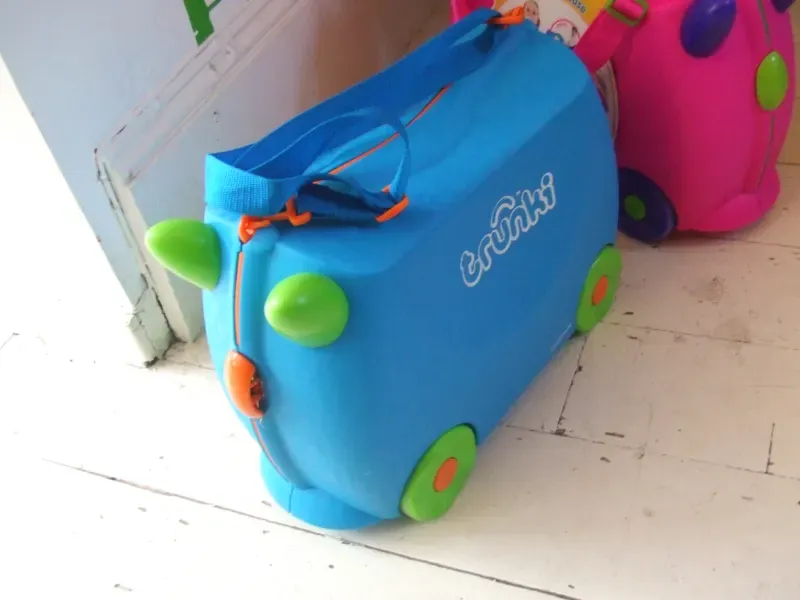
Rob Law and Trunki
Rob Law pitched his ride on children's suitcase, Trunki, in 2006, asking for £100,000 in exchange for a 10% stake. The pitch is still remembered for one moment above all others: Theo Paphitis tugged on the strap of a sample Trunki to test its strength, and it broke on camera. The panel turned Law down and he left with no investment.
Trunki went on to sell more than five million suitcases worldwide. In February 2023, Law sold parent company Magmatic for around £12 million, and he had already been awarded an MBE for services to business back in 2011. The on air rejection, rather than sinking the product, became part of its origin story and generated publicity most new products never get.

Shaun Pulfrey and Tangle Teezer
In 2007, Shaun Pulfrey pitched his detangling hairbrush, the Tangle Teezer, asking for £80,000 for a 15% stake. Peter Jones called the invention 'hair-brained' and Duncan Bannatyne dismissed it as 'a waste of time'. No Dragon invested, and Pulfrey left empty handed.
The brush went on to become a genuine global seller, with the company reporting sales of several brushes every twenty seconds across some seventy countries. It won the Queen's Award for Enterprise in Innovation in 2012 and in International Trade in 2014, and made the Sunday Times Fast Track 100 list in both 2013 and 2016.
Why the panel gets it wrong sometimes
Five minutes and a single sample is not much time to judge whether a consumer product will still be selling in fifteen years, and the Dragons are risking their own money, so caution in the moment is a rational response even when it later looks mistaken. The format also rewards a good line for television: Paphitis breaking the strap and Bannatyne's dismissal both made for memorable viewing, regardless of how the products performed afterward.
There is also an uncomfortable truth sitting underneath both stories: being rejected on a programme watched by millions handed each founder a level of free national publicity that most new businesses could never afford to buy. It is genuinely hard to separate 'the Dragons were wrong about the product' from 'the rejection itself became free marketing', and both stories probably contain a bit of each.